
Introduction
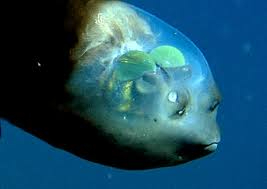
Deep in the dark waters of the ocean lives one of the strangest and most fascinating creatures on Earth—the Barreleye fish. At first glance, it looks almost unreal. Its head appears transparent, and its eyes seem to glow from within like green lenses. For years, scientists were puzzled by this mysterious fish, and even today, it continues to amaze researchers and ocean lovers alike.
The barreleye fish is not just unusual in appearance—it is a perfect example of how life adapts to extreme environments. In this article, we’ll explore everything you need to know about this deep-sea wonder, from its unique anatomy to its survival strategies, and why it matters to science and the future of our oceans.
What Is the Barreleye Fish?
The barreleye fish is a small, deep-sea species that belongs to a group of fish known for their tubular eyes. It was first described in 1939, but for decades, scientists only knew it from damaged specimens pulled up in fishing nets.
It wasn’t until 2004 that researchers captured clear, live footage of the barreleye fish in its natural habitat. This discovery revealed features that no one had ever fully understood before—especially its transparent head.
Key Facts About the Barreleye Fish
- Scientific name: Macropinna microstoma
- Habitat: Deep ocean (600–800 meters below surface)
- Size: About 6 inches (15 cm) long
- Diet: Small fish, jellyfish, and plankton
- Lifespan: Unknown (deep-sea species are hard to study)
The Most Unique Feature: A Transparent Head
How Does It Work?
The most striking feature of the barreleye fish is its transparent, dome-shaped head. This dome is filled with fluid and acts like a protective shield for its eyes.
Inside this clear dome are two bright green, barrel-shaped eyes. These eyes can rotate, allowing the fish to look in different directions.
Why Is the Head Transparent?
The transparent head provides several advantages:
- Protection: It shields the delicate eyes from stinging tentacles of jellyfish
- Visibility: It allows the fish to see upward without obstruction
- Stealth: It helps the fish remain less visible to predators
This design is a brilliant example of evolution at work in extreme environments.
The Incredible Eyes of the Barreleye Fish
Built for Darkness
The barreleye fish lives in near-total darkness. Sunlight barely reaches its habitat, so it relies heavily on its eyes.
Its tubular eyes are extremely sensitive to light, allowing it to detect faint glows from above. These glows often come from bioluminescent organisms or silhouettes of prey.
Rotating Vision
Originally, scientists thought the fish could only look upward. But newer research shows that its eyes can rotate forward.
This means the fish can:
- Look up to spot prey
- Rotate its eyes forward to track and catch it
- Maintain precise control during feeding
This dual vision system is rare and highly effective.
Habitat: Life in the Deep Sea
The barreleye fish lives in the mesopelagic zone, also called the “twilight zone” of the ocean.
Conditions in Its Environment
- Very low light
- High pressure
- Cold temperatures
- Limited food sources
These harsh conditions mean that only highly specialized creatures can survive there.
Why the Deep Sea?
The deep sea offers protection from many predators, but it also comes with challenges. Food is scarce, so animals like the barreleye fish must be efficient hunters.
What Does the Barreleye Fish Eat?
The barreleye fish has a clever feeding strategy. It often hovers motionless in the water, watching for prey drifting above.
Common Food Sources
- Small crustaceans
- Plankton
- Jellyfish
- Tiny fish
A Surprising Strategy
Scientists believe the barreleye fish sometimes steals food from jellyfish. It carefully approaches them and picks off trapped prey without getting stung.
This behavior shows intelligence and precision—qualities not often associated with fish.
How the Barreleye Fish Survives
Survival in the deep ocean requires special adaptations. The barreleye fish has several:
1. Transparent Shield
Protects its sensitive eyes from harm.
2. Light-Sensitive Eyes
Helps detect even the faintest light sources.
3. Small Mouth
Perfect for catching tiny prey.
4. Still Movement
It conserves energy by hovering rather than swimming constantly.
These features make it a highly efficient predator in a low-energy environment.
Scientific Importance of the Barreleye Fish
The barreleye fish is more than just a curiosity—it plays an important role in scientific research.
Why Scientists Study It
- To understand deep-sea ecosystems
- To learn how animals adapt to extreme environments
- To inspire new technologies (like advanced optics)
Its transparent head, for example, has sparked interest in materials science and imaging technology.
Real-World Inspiration from the Barreleye Fish
Nature often inspires human innovation, and the barreleye fish is no exception.
Possible Applications
- Optical systems: Improved cameras and sensors
- Protective materials: Transparent yet durable shields
- Medical imaging: Better ways to see inside the body
Studying this fish helps scientists think outside the box and design smarter solutions.
Threats and Conservation
Although the barreleye fish lives deep underwater, it is not completely safe from human impact.
Potential Threats
- Deep-sea fishing
- Ocean pollution
- Climate change
These factors can disrupt the delicate balance of deep-sea ecosystems.
Why Conservation Matters
The deep ocean is still largely unexplored. Losing species like the barreleye fish would mean losing valuable knowledge about life on Earth.
Protecting these environments ensures that future generations can continue to learn from them.
Fun Facts About the Barreleye Fish
- Its “eyes” are not the dark spots on its face—those are actually nostrils!
- The real eyes are inside the transparent dome
- It can remain almost perfectly still in water
- It was misunderstood for decades due to damaged specimens
Conclusion
The barreleye fish is one of the most extraordinary creatures in the ocean. With its transparent head, rotating eyes, and clever feeding strategies, it challenges everything we think we know about fish.
More importantly, it shows how life can adapt in ways that seem almost impossible. From surviving in darkness to developing advanced vision systems, the barreleye fish is a true marvel of evolution.
As we continue to explore the deep sea, creatures like this remind us how much there is still to discover. Protecting these hidden ecosystems is not just about saving species—it’s about preserving the secrets of our planet.
FAQ Section
1. Why is the barreleye fish’s head transparent?
Its transparent head protects its eyes and allows it to see clearly in low-light conditions without obstruction.
2. Can the barreleye fish see forward?
Yes, its eyes can rotate, allowing it to look upward and forward depending on the situation.
3. Is the barreleye fish dangerous to humans?
No, it is harmless and lives far too deep in the ocean to interact with humans.
4. How big does the barreleye fish get?
It typically grows to about 6 inches (15 cm) in length.
5. Where can you find the barreleye fish?
It lives in deep ocean waters, usually between 600 and 800 meters below the surface.