
Introduction
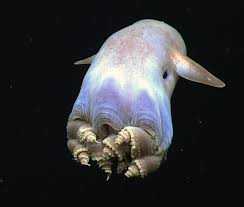
Deep in the ocean where sunlight never reaches, strange and beautiful creatures live in a world that feels almost alien. One of the most fascinating of these deep-sea animals is the Dumbo octopus. Named after the famous Disney character Dumbo because of its ear-like fins, this small and mysterious octopus captures the imagination of scientists and ocean lovers alike.
Unlike most sea creatures we are familiar with, the Dumbo octopus lives in extreme conditions—cold temperatures, crushing pressure, and total darkness. Yet, it not only survives but thrives in one of the most hostile environments on Earth.
In this article, we’ll explore everything about the Dumbo octopus: its habitat, appearance, behavior, diet, survival skills, and why it is so important to deep-sea ecosystems.
What Is a Dumbo Octopus?
The Dumbo octopus belongs to the genus Grimpoteuthis, a group of deep-sea octopuses. It is considered one of the rarest and least understood marine animals because of the difficulty in studying it in its natural habitat.
Key Characteristics
- Lives at extreme ocean depths (3,000–7,000 meters)
- Has fin-like structures resembling elephant ears
- Moves using both fins and arm movements
- Lacks an ink sac (unlike many shallow-water octopuses)
- Soft, gelatinous body adapted to high pressure
These unique features make it perfectly suited for life in the deep ocean, where survival depends on energy efficiency and adaptation rather than speed or strength.
Habitat: The Deepest Parts of the Ocean
The Dumbo octopus lives in the abyssal and hadal zones, which are among the deepest regions of the ocean.
Where They Are Found
- Pacific Ocean
- Atlantic Ocean
- Indian Ocean
- Near deep-sea trenches and seafloor valleys
Environmental Conditions
Life at these depths is extremely challenging:
- No sunlight: Complete darkness
- High pressure: Thousands of times stronger than at the surface
- Cold temperatures: Just above freezing
- Low food supply: Scarce and unpredictable
Despite these harsh conditions, the Dumbo octopus has evolved to survive with minimal energy use and specialized feeding habits.
Physical Appearance and Unique Features
One of the most striking things about the Dumbo octopus is its unusual appearance. It looks soft, delicate, and almost floating in water.
1. Ear-like Fins
The most recognizable feature is its two fins that extend from the mantle. These fins look like elephant ears and are used for gentle propulsion through the water.
2. Gelatinous Body
Unlike muscular shallow-water octopuses, the Dumbo octopus has a soft, jelly-like body. This helps it withstand extreme pressure.
3. Webbed Arms
Its arms are connected by a thin web of skin, forming a parachute-like shape. This helps it glide and steer in the deep sea.
4. Color and Size
- Usually pale white, pink, or light brown
- Small in size, typically 20–30 cm long
- Lightweight and energy-efficient body structure
How Does the Dumbo Octopus Move?
Unlike many fast-swimming marine animals, the Dumbo octopus moves slowly and gracefully.
Movement Methods
- Flapping fins: Primary method of swimming
- Arm steering: Used for direction control
- Jet propulsion: Rarely used compared to other octopuses
This slow movement is not a weakness—it is an adaptation. In the deep sea, conserving energy is more important than speed.
What Does the Dumbo Octopus Eat?
Food is scarce in the deep ocean, so the Dumbo octopus has a flexible diet.
Main Diet Includes:
- Worms
- Small crustaceans
- Copepods
- Amphipods
- Tiny shellfish
Feeding Behavior
Instead of hunting aggressively, the Dumbo octopus:
- Swallows prey whole
- Sucks in food from the seafloor
- Uses its arms to detect hidden prey
This passive feeding strategy helps it survive in environments where meals are rare.
Behavior and Lifestyle
The Dumbo octopus is a calm and solitary creature. It does not form groups or hunt in packs.
Interesting Behaviors
- Floats gently above the ocean floor
- Uses arms to explore surroundings
- Moves slowly to conserve energy
- Rarely interacts with other octopuses
Scientists believe it spends most of its life drifting rather than actively swimming.
Reproduction: A Unique Strategy
Reproduction in deep-sea environments is challenging, and the Dumbo octopus has adapted in fascinating ways.
Key Facts About Reproduction
- No specific breeding season
- Females can store sperm for long periods
- Eggs are laid on hard surfaces like rocks or shells
- Hatchlings are fully developed mini octopuses
One of the most interesting facts is that females can carry eggs at different development stages at the same time. This increases the chances of survival in such a harsh environment.
Survival Adaptations
The Dumbo octopus has evolved several features to survive extreme deep-sea conditions.
1. Energy Efficiency
It moves slowly and avoids unnecessary activity to conserve energy.
2. Pressure Resistance
Its soft body lacks air-filled spaces, preventing damage from intense pressure.
3. No Ink Sac
Since there is no light, releasing ink for defense is useless. Instead, it relies on camouflage and deep-water isolation.
4. Sensory Adaptation
It uses highly sensitive arms to detect prey and navigate in complete darkness.
Why Is the Dumbo Octopus Important?
Even though it lives far from human reach, the Dumbo octopus plays an important role in ocean ecosystems.
Ecological Importance
- Helps maintain balance in deep-sea food chains
- Acts as both predator and prey
- Contributes to biodiversity in deep ocean zones
Studying it also helps scientists understand:
- Life in extreme environments
- Evolution of marine species
- Potential life forms on other planets
Challenges in Studying Dumbo Octopuses
Scientists face many difficulties when researching these creatures.
Major Challenges
- Extreme depth makes exploration expensive
- Limited deep-sea technology access
- Rare sightings in natural habitat
- Fragile body makes retrieval difficult
Most of what we know comes from deep-sea submersibles and remote-operated vehicles (ROVs).
Fun and Surprising Facts
Here are some interesting facts that make the Dumbo octopus even more fascinating:
- It is one of the deepest-living octopus species ever discovered
- It does not have a beak as strong as other octopuses
- It can hover above the seafloor like a jellyfish
- Some species are only a few centimeters long
- It was named after Disney’s Dumbo due to its ear-like fins
Conservation Status
The Dumbo octopus is not currently considered endangered, but it is rarely seen and poorly studied.
Potential Threats
- Deep-sea mining
- Climate change affecting ocean ecosystems
- Pollution reaching deep waters
- Habitat disturbance from human activity
Protecting deep-sea environments is essential to preserving unknown species like this one.
Conclusion
The Dumbo octopus is one of the most extraordinary creatures in the ocean. Living in complete darkness and extreme pressure, it shows how life can adapt in the most unlikely places on Earth.
Its unique appearance, gentle movement, and survival strategies make it a true marvel of evolution. Even though we still have much to learn about it, one thing is clear: the Dumbo octopus reminds us how vast, mysterious, and beautiful our oceans really are.
As technology improves, scientists hope to uncover even more secrets about this incredible deep-sea dweller. Until then, it remains one of the ocean’s most enchanting mysteries.
FAQ
1. Why is it called a Dumbo octopus?
It is named after Disney’s Dumbo because of its ear-like fins that resemble the cartoon elephant’s ears.
2. Where does the Dumbo octopus live?
It lives in deep ocean zones, usually between 3,000 and 7,000 meters below sea level.
3. What does the Dumbo octopus eat?
It feeds on small sea creatures like worms, crustaceans, and tiny shellfish.
4. Is the Dumbo octopus dangerous?
No, it is harmless to humans and prefers to avoid contact.
5. How big does a Dumbo octopus get?
Most species grow between 20 to 30 centimeters in length, making them relatively small.