
Introduction
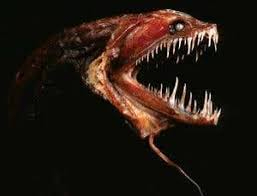
Far below the sunlit surface of the ocean lies a world that feels almost alien. In this dark, high-pressure environment, strange and fascinating creatures have evolved in ways that challenge our imagination. Among these deep-sea inhabitants, the deep sea dragonfish stands out as one of the most mysterious and intimidating predators.
With glowing organs, needle-like teeth, and the ability to produce its own light, the dragonfish looks like something straight out of a science fiction movie. But this creature is very real—and it plays a crucial role in the ocean’s ecosystem.
In this article, we’ll explore everything you need to know about the deep sea dragonfish: its appearance, habitat, hunting strategies, unique adaptations, and why it continues to fascinate scientists around the world.
What Is a Deep Sea Dragonfish?
The deep sea dragonfish is a group of predatory fish belonging to the family Stomiidae. These fish are found in the deep ocean, typically at depths ranging from 200 meters (656 feet) to over 2,000 meters (6,500 feet).
Despite their name, dragonfish are not related to dragons—but their fierce appearance and glowing bodies certainly live up to the title.
Key Characteristics
- Long, slender bodies
- Large heads with sharp, fang-like teeth
- Bioluminescent organs (light-producing)
- Dark or black skin for camouflage
- Small eyes adapted for low light
These features help dragonfish survive in one of the harshest environments on Earth.
Habitat: Life in the Deep Ocean
Dragonfish live in the mesopelagic and bathypelagic zones of the ocean. These zones are often called the “twilight zone” and “midnight zone” because sunlight barely reaches them—or not at all.
Conditions in Their Habitat
- Extreme darkness: No sunlight penetrates these depths
- High pressure: Pressure can be hundreds of times greater than at sea level
- Cold temperatures: Usually between 2°C and 5°C (35°F to 41°F)
- Limited food supply: Prey is scarce, making survival difficult
Because of these harsh conditions, dragonfish have evolved special adaptations that make them highly efficient predators.
Unique Adaptations of the Dragonfish
The deep sea dragonfish has several extraordinary features that allow it to survive and thrive in the deep ocean.
1. Bioluminescence: The Power of Light
One of the most fascinating traits of dragonfish is their ability to produce light, known as bioluminescence.
They use light for:
- Attracting prey
- Communicating with other dragonfish
- Camouflaging themselves from predators
Some species can even produce red light, which is extremely rare in deep-sea creatures. Most deep-sea animals cannot see red light, giving dragonfish a huge advantage—they can see their prey without being seen.
2. Invisible Teeth
Dragonfish have long, sharp teeth that are almost transparent. This prevents light from reflecting off them, making the fish nearly invisible in the dark.
This adaptation helps them ambush prey without detection.
3. Expandable Stomach
Food is scarce in the deep sea, so dragonfish have developed the ability to eat large prey.
- Their stomachs can stretch to hold prey larger than themselves
- They can survive long periods without eating
This ensures they make the most of every feeding opportunity.
4. Light-Producing Barbel
Many dragonfish have a barbel, a whisker-like structure hanging from their chin.
- It glows in the dark
- It acts like a fishing lure
- It attracts smaller fish toward the dragonfish’s mouth
This clever adaptation makes hunting more efficient in total darkness.
Hunting Strategy: Masters of Ambush
Dragonfish are ambush predators, meaning they wait patiently for prey to come close before striking.
How They Hunt
- They remain still in the water, blending into the darkness
- Their glowing barbel attracts curious prey
- Once prey is close, they strike quickly
- Their sharp teeth trap the prey instantly
What Do They Eat?
Dragonfish feed on a variety of deep-sea organisms, including:
- Small fish
- Crustaceans
- Plankton
- Squid
Because food is limited, dragonfish are not picky eaters—they will consume anything they can catch.
Types of Deep Sea Dragonfish
There are several species of dragonfish, each with unique features. Some of the most well-known include:
1. Black Dragonfish
- One of the most famous species
- Females are much larger than males
- Known for their terrifying appearance
2. Stoplight Loosejaw
- Has a hinged jaw that opens very wide
- Uses red and green light for hunting
- One of the most advanced bioluminescent systems
3. Scaleless Dragonfish
- Lacks scales, giving it a smooth appearance
- Extremely sensitive to light and movement
Each species has adapted differently to survive in the deep ocean.
Reproduction and Life Cycle
The life cycle of dragonfish is still not fully understood due to the difficulty of studying deep-sea creatures. However, scientists have discovered some interesting patterns.
Key Facts About Reproduction
- Females are usually larger and more dominant
- Males are often smaller and may have reduced digestive systems
- Spawning occurs in deep water
- Eggs and larvae may rise closer to the surface before sinking as they grow
This vertical movement helps young dragonfish access more food during early development.
Role in the Ocean Ecosystem
Despite their fearsome appearance, dragonfish play an important role in maintaining the balance of the deep-sea ecosystem.
Their Ecological Importance
- Control prey populations: Prevent overpopulation of smaller species
- Part of the food chain: Serve as prey for larger predators
- Nutrient cycling: Help recycle organic matter in the ocean
Without predators like dragonfish, the deep-sea ecosystem could become unstable.
Real-World Scientific Importance
Dragonfish are not just fascinating—they are also valuable to scientific research.
Why Scientists Study Dragonfish
- To understand bioluminescence
- To learn how organisms survive extreme conditions
- To inspire new technologies (bio-inspired design)
For example:
- Their light-producing abilities may help improve medical imaging
- Their transparent teeth could inspire new materials
Studying dragonfish helps us unlock secrets of both biology and innovation.
Threats and Conservation
The deep sea may seem remote, but it is not free from human impact.
Potential Threats
- Deep-sea mining
- Climate change
- Ocean pollution
- Overfishing (indirectly affecting food supply)
Because dragonfish live so deep, they are less affected than shallow-water species—but growing human activity in the deep ocean could pose risks in the future.
Conservation Efforts
- Increasing research on deep-sea ecosystems
- Monitoring industrial activities
- Promoting sustainable ocean practices
Protecting the deep sea is essential for preserving creatures like the dragonfish.
Fun Facts About the Deep Sea Dragonfish
- Some dragonfish can produce red light, which is invisible to most sea creatures
- Their teeth are so transparent they are almost invisible
- They can swallow prey larger than their own body
- Males and females can look completely different
- They are among the top predators in their environment
Conclusion
The deep sea dragonfish is a true marvel of nature. Living in one of the most extreme environments on Earth, it has developed incredible adaptations that allow it to survive, hunt, and thrive in total darkness.
From glowing organs and invisible teeth to clever hunting strategies, the dragonfish is a perfect example of how life can evolve in extraordinary ways. Beyond its eerie appearance, it plays a vital role in the ocean ecosystem and offers valuable insights for science and technology.
As we continue to explore the deep ocean, creatures like the dragonfish remind us just how much there is still to discover beneath the waves.
FAQ Section
1. What is a deep sea dragonfish?
A deep sea dragonfish is a predatory fish that lives in the dark depths of the ocean and uses bioluminescence to hunt and survive.
2. How does the dragonfish produce light?
It produces light through special organs called photophores, which create bioluminescence using chemical reactions.
3. Why are dragonfish teeth transparent?
Their teeth are transparent to avoid reflecting light, helping them stay hidden from prey.
4. What do dragonfish eat?
They eat small fish, crustaceans, squid, and other deep-sea organisms.
5. Are dragonfish dangerous to humans?
No, dragonfish are not dangerous to humans because they live in deep ocean environments far from human activity.