
Introduction
Space exploration is entering an exciting new era. In 2026, several major missions are set to launch or reach key milestones, promising groundbreaking discoveries about our solar system and beyond. From exploring distant moons to testing new technologies for human space travel, these missions are not just about science—they shape the future of humanity.
Agencies like NASA, ESA, and ISRO are working together and independently to push the limits of what we know. Private companies are also playing a bigger role than ever before.
In this article, we’ll explore the top space missions to watch in 2026, what they aim to achieve, and why they truly matter.
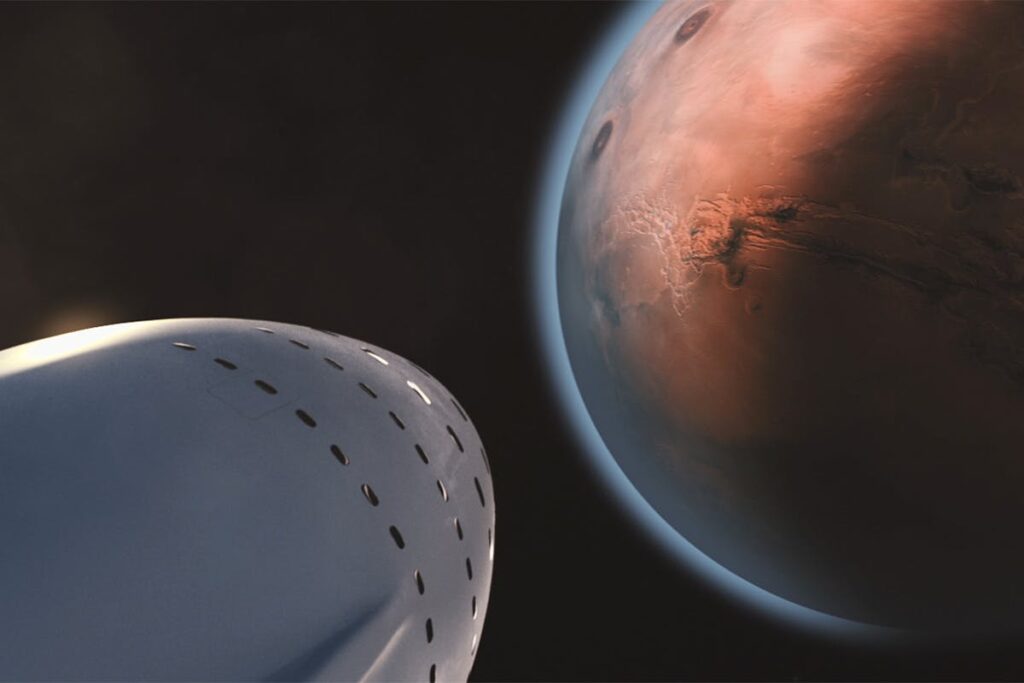
Why 2026 Is a Big Year for Space Exploration
2026 stands out because it combines scientific discovery, human exploration goals, and advanced technology testing. Many missions planned for this year focus on:
- Searching for signs of life beyond Earth
- Preparing for future human missions to Mars and the Moon
- Studying planets, asteroids, and cosmic phenomena
- Testing new spacecraft systems and propulsion methods
These missions are not isolated—they are part of a larger roadmap for space exploration over the next decades.
1. Europa Clipper – Searching for Life Beneath Ice
One of the most anticipated missions is the Europa Clipper.
What Is It?
Europa Clipper is designed to study Europa, one of Jupiter’s moons. Scientists believe Europa has a vast ocean beneath its icy surface.
Key Goals
- Analyze the thickness of Europa’s ice shell
- Study the ocean beneath the surface
- Look for conditions that could support life
Why It Matters
If Europa has the right conditions, it could be one of the best places to find life beyond Earth. Even microbial life would change how we understand the universe.

2. Artemis Missions – Returning Humans to the Moon
The Artemis Program continues to move forward, with major developments expected around 2026.
What Is It?
This program aims to send humans back to Moon and build a long-term presence there.
Key Goals
- Land astronauts on the Moon’s south pole
- Test technologies for deep space travel
- Prepare for future missions to Mars
Why It Matters
The Moon will serve as a testing ground for living and working in space. What we learn here will help humans travel safely to Mars.
3. Mars Sample Return – Bringing Pieces of Mars to Earth
The Mars Sample Return is one of the most ambitious projects ever planned.
What Is It?
This mission will collect samples gathered by the Perseverance Rover and bring them back to Earth.
Key Goals
- Retrieve rock and soil samples from Mars
- Study them using advanced labs on Earth
- Search for signs of ancient life
Why It Matters
Studying Mars samples on Earth allows scientists to use powerful tools that cannot be sent to space. This could finally answer whether life ever existed on Mars.
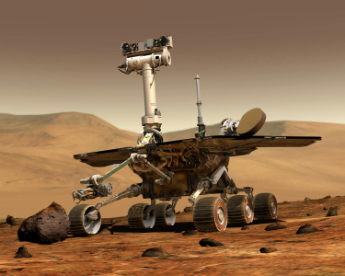
4. JUICE Mission – Exploring Jupiter’s Icy Moons
The JUICE by ESA is another major mission reaching important stages in 2026.
What Is It?
JUICE will study three moons of Jupiter:
- Ganymede
- Europa
- Callisto
Key Goals
- Understand how these moons formed
- Study their oceans and surfaces
- Explore their potential to support life
Why It Matters
These moons may have hidden oceans, making them key targets in the search for extraterrestrial life.
5. Lunar Gateway – A Space Station Around the Moon
The Lunar Gateway is expected to see major development progress.
What Is It?
A small space station that will orbit the Moon and support future missions.
Key Goals
- Serve as a base for astronauts
- Support long-term lunar exploration
- Help missions travel deeper into space
Why It Matters
Gateway will act like a “stepping stone” between Earth and deep space missions.
6. Commercial Space Missions – The Rise of Private Companies
Private companies like SpaceX and Blue Origin are becoming major players.
What to Expect in 2026
- More satellite launches
- Testing reusable rockets
- Progress on human spaceflight systems
Why It Matters
Private companies are making space more affordable and accessible. This speeds up innovation and opens new opportunities for exploration.
7. Asteroid Exploration Missions
Asteroids hold clues about the early solar system. Missions focused on them will gain momentum in 2026.
Key Focus Areas
- Studying asteroid composition
- Understanding impact risks
- Testing mining technologies
Why It Matters
Asteroids may provide resources for future space missions and help protect Earth from potential impacts.
8. Space Telescopes – Looking Deeper Into the Universe
Advanced telescopes will continue to expand our view of the universe.
Examples
- James Webb Space Telescope ongoing discoveries
- New missions planned for deeper cosmic observation
Key Goals
- Study distant galaxies
- Understand the origin of stars
- Explore exoplanets
Why It Matters
These missions help answer big questions about the universe, such as how it began and whether we are alone.
Key Trends in 2026 Space Missions
Several important trends define space exploration in 2026:
1. Search for Life
Many missions focus on finding life beyond Earth, especially on moons like Europa and planets like Mars.
2. Human Exploration
Programs like Artemis are preparing humans for long-term space travel.
3. International Collaboration
Countries and organizations are working together more than ever.
4. Commercial Growth
Private companies are reducing costs and increasing access to space.

Real-World Impact of These Missions
Space missions are not just about science—they affect everyday life.
Benefits Include:
- Improved satellite technology (better GPS and communication)
- Advances in medicine and materials
- Better understanding of climate change
- Inspiration for future generations
These missions also create jobs and drive innovation across industries.
Challenges Ahead
Despite the excitement, space missions face many challenges:
- High costs
- Technical risks
- Long timelines
- Harsh space conditions
But overcoming these challenges leads to major breakthroughs.
Conclusion
The year 2026 is set to be a landmark moment in space exploration. With missions like Europa Clipper, Mars Sample Return, and Artemis pushing boundaries, humanity is closer than ever to answering some of the biggest questions:
- Are we alone in the universe?
- Can humans live on other planets?
- What secrets does our solar system still hold?
These missions matter because they expand human knowledge, drive innovation, and inspire the next generation of explorers. The discoveries made in 2026 will shape the future of space exploration for decades to come.
FAQ Section
1. What is the most important space mission in 2026?
There is no single answer, but Europa Clipper and Mars Sample Return are among the most important due to their focus on finding signs of life.
2. Will humans go to Mars in 2026?
No, human missions to Mars are still in development. Current missions focus on preparation and research.
3. Why are space missions so expensive?
They require advanced technology, long-term planning, and must survive extreme conditions, which increases costs.
4. How do space missions benefit Earth?
They improve technology, support communication systems, and help scientists understand climate and natural processes.
5. Can private companies lead space exploration?
Yes, companies like SpaceX are already playing a major role alongside government agencies.