
Introduction
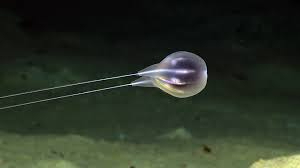
Deep beneath the ocean’s surface lives one of the most fascinating and unusual creatures in the marine world—the comb jelly Comb jelly. Despite its name, it is not a true jellyfish. Instead, it belongs to a completely different group of animals called ctenophores.
Comb jellies are famous for their shimmering, rainbow-like glow and delicate, jelly-like bodies. When light passes through the ocean, their tiny hair-like structures reflect colors that look like moving neon lights in the water. This magical appearance often makes people think they are something out of science fiction.
But beyond their beauty, comb jellies play a critical role in marine ecosystems. They help control plankton populations and serve as both predator and prey in the ocean food chain. In this article, we will explore everything about comb jellies—from their biology and behavior to their ecological importance and surprising facts.
What is a Comb Jelly?
A Unique Marine Invertebrate
A comb jelly is a gelatinous marine animal that belongs to the phylum Ctenophora. The name “ctenophore” comes from Greek words meaning “comb bearer,” referring to the rows of tiny hair-like structures called cilia that help them move.
Unlike jellyfish, comb jellies:
- Do not sting
- Do not have stinging cells (nematocysts)
- Move using cilia instead of muscle contractions
- Have a simple nervous system
These differences make them one of the most evolutionarily unique creatures in the ocean.
Key Characteristics
- Transparent or translucent body
- Eight rows of cilia (“comb rows”)
- Bioluminescent ability in many species
- Soft, fragile structure
- Found in both shallow and deep ocean waters
Appearance and Physical Structure
The Rainbow Effect
One of the most striking features of comb jellies is their rainbow-like appearance. This is not due to pigmentation but light refraction. As their cilia beat in the water, they scatter light and create shimmering colors that move along their bodies.
Body Shape
Comb jellies come in various shapes, but most have:
- Oval or spherical bodies
- Two long tentacles (in many species)
- Transparent tissue that allows internal structures to be visible
The Comb Rows
The most important feature is the eight rows of cilia. These act like tiny oars:
- They beat in a coordinated wave
- Help the animal glide smoothly through water
- Create beautiful light reflections
Habitat and Distribution
Where Do Comb Jellies Live?
Comb jellies are found in oceans all over the world. They are highly adaptable and can survive in different marine environments.
Common habitats include:
- Coastal waters
- Deep sea regions
- Open ocean (pelagic zones)
- Tropical and temperate seas
Environmental Preferences
They prefer:
- Calm waters with plenty of plankton
- Moderate temperatures (though some species tolerate extremes)
- Areas with low competition from larger predators
Because they drift with ocean currents, they are often considered planktonic animals.
Feeding Behavior and Diet
What Do Comb Jellies Eat?
Comb jellies are carnivorous predators, despite their soft and harmless appearance. Their diet mainly includes:
- Plankton
- Small crustaceans
- Larvae of fish and other marine organisms
- Other tiny gelatinous animals
How They Capture Food
They use two main methods:
1. Sticky Tentacles (in some species)
- Long, branching tentacles
- Covered in sticky cells called colloblasts
- Trap prey like glue rather than stinging them
2. Direct Mouth Feeding
- Some species simply engulf prey using their mouth
- Food is digested in a simple digestive cavity
Hunting Strategy
Comb jellies are passive hunters:
- They drift through water
- Extend tentacles like fishing lines
- Wait for prey to stick or collide
This energy-efficient method allows them to survive in nutrient-poor environments.
Movement and Bioluminescence
How They Move
Unlike jellyfish that pulse their bodies, comb jellies move using cilia:
- Each of the eight rows beats in coordination
- Movement resembles a slow, floating glide
- They can change direction by adjusting cilia motion
This makes them one of the most graceful swimmers in the ocean.
Bioluminescent Glow
Many comb jellies produce light through a process called bioluminescence.
When disturbed, they can:
- Emit glowing blue or green light
- Create sparkling trails in water
- Flash light to confuse predators
This glow is not just beautiful—it is also a defense mechanism.
Reproduction and Life Cycle
Hermaphroditic Nature
Most comb jellies are hermaphrodites, meaning they have both male and female reproductive organs.
This allows them to:
- Self-fertilize in some cases
- Reproduce quickly in favorable conditions
- Increase population rapidly
Reproduction Process
- Eggs and sperm are released into the water
- Fertilization occurs externally
- Larvae develop into juvenile comb jellies
- They grow without a complex metamorphosis stage
Life Cycle Highlights
- Short life span (weeks to months)
- Rapid reproduction in warm seasons
- Fast population growth under ideal conditions
Ecological Importance
Role in the Ocean Ecosystem
Comb jellies are important for maintaining balance in marine food webs.
They help by:
- Controlling plankton populations
- Serving as food for larger marine animals
- Recycling nutrients in ocean ecosystems
Impact on Fisheries
In some regions, large blooms of comb jellies can affect fisheries by:
- Competing with fish larvae for food
- Reducing fish populations temporarily
- Disrupting local marine balance
However, they also help maintain long-term ecological stability.
Comb Jellies vs Jellyfish: Key Differences
Many people confuse comb jellies with jellyfish, but they are very different creatures.
| Feature | Comb Jelly | Jellyfish |
|---|---|---|
| Group | Ctenophora | Cnidaria |
| Movement | Cilia (comb rows) | Muscle contractions |
| Stingers | None | Present |
| Body structure | Soft, transparent | Gelatinous bell |
| Light production | Bioluminescence common | Rare |
| Feeding method | Colloblasts (sticky cells) | Stinging cells |
These differences show that comb jellies are not “true jellyfish” at all.
Fascinating Facts About Comb Jellies
Here are some surprising facts that make comb jellies even more interesting:
- They are among the oldest known animal groups on Earth
- Some species can glow in complete darkness
- They do not have a brain, but still respond to stimuli
- Their cilia movement is visible as rainbow-like light patterns
- They can survive in deep-sea environments with extreme pressure
- Some species can regenerate damaged body parts
These features make them one of the most mysterious creatures in marine biology.
Why Comb Jellies Matter to Science
Scientists study comb jellies to understand:
- Evolution of early animal life
- Development of nervous systems
- Marine biodiversity and ecosystem balance
- Bioluminescence and its biological mechanisms
Their simple body structure provides clues about how complex animals evolved over millions of years.
Conclusion
The comb jelly Comb jelly is one of the ocean’s most extraordinary creatures. With its glowing body, graceful movement, and ancient evolutionary history, it represents both beauty and scientific importance.
Although often overlooked, comb jellies play a crucial role in marine ecosystems. They help regulate plankton populations, support food chains, and contribute to ocean health.
From their rainbow-like shimmer to their silent drifting through the sea, comb jellies remind us that the ocean is full of hidden wonders still waiting to be understood. Protecting marine environments ensures that these fascinating creatures continue to thrive for generations to come.
FAQ (Frequently Asked Questions)
1. Is a comb jelly a jellyfish?
No. Comb jellies are not jellyfish. They belong to a different group called ctenophores and do not have stingers.
2. Why do comb jellies glow?
Many comb jellies produce light through bioluminescence, which helps them confuse predators or attract prey.
3. Are comb jellies dangerous to humans?
No, they are completely harmless to humans because they do not sting.
4. What do comb jellies eat?
They mainly eat plankton, small crustaceans, and tiny marine larvae.
5. Where can comb jellies be found?
They are found in oceans worldwide, from coastal waters to the deep sea.